



Beer Marketer's Insights
It’s become a mainstream media special: lengthy features on outsized potential of non-alcoholic beers, shift in generation Z drinking habits, trend towards health and wellness. Two more appeared overnight, 1 in Financial Times, the other on Bloomberg. “Beer That Tastes Like Beer But Doesn’t Get You Buzzed is Booming,” headlined Bloomberg, featuring UK co called Nirvana. “Brewers throw their weight behind non-alcoholic beer,” headlined FT. “Supermarkets in Paris and Amsterdam now have entire shelves devoted to non-alcohol beers … and their low alcohol cousins,” reported FT. “In the UK, Ocado and Tesco sell roughly 20 types online.” NA beers jumped 18% in last 5 yrs in Western Europe, FT wrote, citing Euromonitor. Growth “even stronger in the UK.” But chart shows that in US, NAs have by far least share of beer mkt compared to any mkt shown. Will $50 mil spend on Heineken 0.0, tests of Bud Prohibition or any other combo of entrants change that? In available data, NAs growing so far this yr, $$ up solid 9%. But it’s a modest pop for NAs following big time launch of Heineken 0.0, as BBI’s sibling publication, Insights Expressed noted yesterday.
In unusual move among energy players, Nutrabolt’s C4 performance energy brand is mixing up its pack size as it offers first natural entry, C4 Energy Natural Zero, setting smaller size and less in-your-face branding that seem more attuned to female consumers who’re not likely a big part of current brand franchise. The new entry is packed in 12-oz slim can in white hue rather than 16-oz can in bright yellow of core brand, and sports pink band at top. It comes in flavors like Strawberry Coconut, Blueberry Lemonade and Cherry Lime. As for recipe, it replaced muscular performance ingredients like beta alanine with cognition-enhancing ones like Cognizin Citicoline (Kirin-owned ingredient that once was basis for Kirin-funded Nawgan focus brand, among others). Gone are artificial flavors, and caffeine dosage has been dialed down from 200 mg in core line to 120 mg. “Natural caffeine from Coffeeberry,” can copy states. That makes it well suited to mid-day occasions when consumers might be seeking mild energy lift and greater mental focus . . . Soylent Nutrition has headed into nutrition bar space with Soylent Squared, 100-calorie mini-meal bar containing 5 g of protein, 36 key nutrients and dose of probiotics. It’s going out in boxes of 30 bars. Co envisions consumers grabbing 1 or 2 for healthier snack, or 3-4 for meal replacement along lines of its powders and RTD bevs.
As broad-ranging formulation and prototype production house with relatively long history in space, MetaBrand has been eager to dive into burgeoning CBD realm, but so far it’s distinctly unimpressed with what it sees. In fact, nearly all of more than 2 dozen liquid and powder samples on which it’s performed tests have failed to deliver on some key measures, as prexy/coo Craig Fortin and Nick Andlinger, who’s running CBD push, made clear in conversation yesterday at MetaBrand’s new digs in Edison, NJ.
Speaking in development lab, alongside lab bench carrying container of samples (one of them in foil packet with hand-written label), they noted that 3d-party tests often find core ingredient doesn’t contain amount of CBD claimed. Solubility also is an issue, particularly for the lighter, effervescent formulations that have been the basis for many new bev brands. Scalping – the proportion of ingredient that clings to mixing container or bev package – can run as high as 70% in losses. (If you run your finger around inside bottle wall and it emerges with sludge on it, you can be pretty sure scalping is running high, Fortin noted.) Bev recipes containing many ingredients give the CBD more to grab onto and tend to be more reliable in averting issue. Further, ingredients presented as CBD-only often are revealed to contain other terpenes, and those positioned as non-THC ingredients lacking the psychoactive component have so often proved to contain THC that “we no longer do CBD testing in the morning,” Nick joked. As a result, MetaBrand so far has only greenlighted 3 CBD products, with 4th on the way.
This has confirmed to MetaBrand team it needs to operate with rigor, and it recommends that others do so too. Before moving ahead on any project, Andlinger said he performs evaluation to validate that “it is what the client says it is and it works in a beverage.” As noted, so far most prospects are flunking that test. Fortin added that MetaBrand treats CBD items with same rigor as supplements, performing efficacy and validation testing on incoming ingredients and post-production tests as well. “We don’t just shove CBD in a can. We have a rigorous process we do not deviate from. We don’t shortcut things.” That’s been incurring sizable third-party lab analysis expenses for brands that often don’t work out as clients, adding to challenges of operating in space that MetaBrand helped pioneer on bev side. So this is further reason for caution, as we’ve been urging at BBI.
Filling perceived void for bev mfrs seeking small runs of new items, NJ bev consultancy MetaBrand is a manufacturer now, up & running with integrated facility at its new hq location in Edison, NJ, with plans in works to open similar operation next year on West Coast, likely in LA area. Aim is to be not just a development arm that hands off production to outside copacker but the “Swiss Army knife for the industry,” as prexy/coo Craig Fortin has enjoyed phrasing it since unveiling vision a year and a half ago (BBI, Sep 18 2017). Visit yesterday to recently opened plant revealed operation built more on ingenuity and speed than cash outlays that’s able to run wide range of products, both carbonated and noncarbs, in glass, cans and plastic. At time of BBI visit yesterday, 8 different brands were queued up for filling, even as development team helps with formulation and positioning of dozens more. During visit, Fortin and client development dir Nick Andlinger, who’s spearheading CBD biz, offered some pungent comments on fledgling space, saying most of what’s brought to them by potential clients is not remotely ready for prime time (article below). Recall that under founder Eric Schnell, MetaBrand was one of first to take serious interest in space, 5+ years ago, and MetaBrand recently spun off intriguing cannabis play called MetaCan that we profiled just a week ago (BBI, Apr 9).
Some background, first. MetaBrand was founded in 2012 by longtime natural foods entrepreneur Schnell, who moved on in 2015 and now operates incubator called Beyond Brands with his wife, the organic apparel pioneer Marci Zaroff. MetaBrand launched related fund, which made significant investment in Runa, among other brands, carved out private-label biz serving clients like Kroger and Pret a Manger, launched its own products under I Am name and was early entrant into cannabis sector. Since Schnell’s departure, MetaBrand has cut back what once was substantial staff base, exited ingredients biz as fostering conflicts of interest, and tilted toward mfg to fill void in market. In process, co has moved from significant losses to profitability over past few years, tho it moved back into investment mode last year during relocation and mfg buildout, Fortin indicated. He hopes MetaBrand is back in black this year.
Among learning picked up along the way, MetaBrand came to realization that it’s hard to build equity as just a consultant, should its investors want exit down the road. The pivot into mfg offers one solution to that issue, at time that newer players have been frantic to find capacity for their modest initial runs. MetaBrand fills that void, tho Fortin was careful to note that if demand warrants, co will move to offering more substantial production runs, too, rather than always handing brand off to larger copacker. Currently, MetaBrand will do runs as high as 100K units, he said, but it’s turned down larger projects (say, one from current NBA player) as too distortive.
The relocation took MetaBrand from home of former partner Reliance Vitamin to plant previously occupied by Allen Flavors, occupying nearly 13K sq ft, including fully stocked main lab for development and formulation use, with first rights on 25K ft of space in adjacent bldg to support future expansion. Space was well configured to get running quickly, tho infrastructure items like chillers and fridges often needed replacement. “Joey gets his money’s worth out of anything he buys,” Fortin noted drily of Allen Flavors founder. Plant was up and running just 4 months after 2d-hand equipment was purchased, with essentially no outside engineering assistance, Fortin noted proudly.
Current plan is for setup in Edison to be replicated at 60K-sq-ft operation of ally in Lancaster, Penn, who’ll perform acceptance testing, then break it down for shipment to location being sought outside LA, likely between El Segundo and LAX airport. Fortin won’t rule out an additional site next year, too, in synch with original vision expressed a year and a half ago of opening network. Tho the plants on 2 coasts will mainly mirror one another, there will be some specialization: retort capacity may be offered only in Edison, while low-acid products like nutmilks go to LA only. (MetaBrand is doing low-acid product development in Edison but can’t produce those items there.)
Tho funded mainly by wealthy Andlinger family to date, MetaBrand is undertaking soft capital raise to prep for next phase of expansion, Craig indicated. Tho we had to sign NDA on brands we spotted there, Sound Tea’s Sound Tea-Infused Sparkling Water canned line was among those we’re allowed to disclose. And it’s not all small startups: while MetaBrand’s long-running contract with Hain Celestial has run its course, co apparently has several other strategic partners in wings for which it will serve as fast-moving incubation and development arm, balancing biz between well-funded CPGs and scrappy startups. Tho teeming aisles of recent Natural Products Expo West may have made it seem most innovation opportunities have been tapped, on MetaBrand’s production floor and lab we were shown quite a few brands heading to imminent launch that offer fresh vision; we hope to profile them as their founders are ready to speak.
MetaBrand team anticipates that there’s sizable biz to be had from legions of craft distillers looking for easy way to put their core spirits into canned cocktails. It’s awaiting state approval for alc production, with explosion-proof room reserved for alcohol blending. Craig claims craft distillers are lined up waiting for him to get green light.
Among key assets are 4-head canner procured from Heavy Seas Brewing in Baltimore and drawing from pair of 10-bbl tanks, all up & running in 3 days. Line can run 40 cans per minute in standard and sleek 12-oz formats as well as 10.5-oz sleek, with Red Bull-style 8.4-oz sleek can anticipated by end of May. Already MetaBrand has pushed 200K cans thru since line began operating in Jan, Fortin indicated. Among other assets, a 14-head hotfill/coldfill line can do broad range of plastic and glass items, from shot-size to 20-oz, including glass-bottle CBD shot line about to start running. (Line boasts some beer history, being first installed at Dogfish Head Brewing in Delaware, Fortin noted.) Chiller picked up from Sagamore Distilling should eliminate need to do overnight cooling. With significant production commitment looming, it’s been dropped right on production floor, with move up to roof level deferred to later. In similar DIY mode, co is building its own tunnel pasteurizer because currently available commercial units are way too big. And it’s not hard-piping anything, keeping configurations flexible until workflow is established and it’s ready to make more permanent commitments. Compact Allen-Bradley programmable controllers seen mounted on walls are occasionally joined by far larger, clunkier-seeming ones. Sure, those were made in 1992, Fortin allowed, but you can’t argue their price of $50 for 26 of them at recent auction. Given abundant documentation attesting to quality of each run, he’s not worried that the antiques will spook strategics coming for inspection.
Among key team members, Andlinger came in as ops specialist but now serves as dir of client development while overseeing CBD activities and keeping hand in minutiae of equipping and operating plant. As reported recently, another principal, Debbie Wildrick, has been transitioning out to MetaCan spinoff. To replace her expertise in biz development planning and sales & marketing, Fortin is relying in part on outside stable of consultants.
PRESS CLIPS: Food, Not Supplements, Is Right Way to Obtain Nutrients, New Study Concludes
New study in Annals of Internal Medicine concludes that consumers should rely on their regular diets rather than supplements to obtain their nutrition. “Taking dietary supplements will not extend life . . . and taken in large quantities may even be harmful,” as NY Times summarized study this week. Study relied on repeated interviews with nearly 31K men and women age 20 and older to suss out consumption of supplements over prior 30 days, finding that slightly more than half took supplements and about one-third took multivitamins.
Brew Dr Kombucha will be playing to rabid soccer fan base of its Pac NW home with official sponsorship of National Women’s Soccer League mvp Lindsey Horan, who plays for local Portland Thorns team as well as on US national women’s team entering World Cup competition later this spring. Brew Dr has already been sponsor of Thorns for several seasons. Born in Golden, Colo, Horan says she’d never tasted kombucha until visiting Portland, where she’s played since 2016 after several years playing in France at Paris Saint-Germain . . . Alkaline Water Co said its Alkaline 88 brand will serve as exclusive bottled water provider at 9 of DC Wonder Woman 5K runs and marathons this year. Event built around Wonder Woman Consumer Products unit operated by DC Comics and Warner Bros. The 8.8 pH water will be dispensed at finish lines, and logo will appear on runners’ bibs and in local marketing materials. WTER has option of renewing deal in 2020.
EXTENSIONS: Coca-Cola Offers First Zero-Cal Extension to Peace Tea Line Devised by Partner Monster
Once viewed as potentially strong challenge to AriZona Iced Tea, Peace Tea seems to have gotten scant attention since brand transferred from its developer Monster Beverage to Coca-Cola’s own portfolio via sweeping brand swap of 2014, languishing at 1.3% $$ share vs 17.9% for RTD tea leader Pure Leaf, 16.4% for AriZona and 12.8% for its KO stablemate Gold Peak, per latest Nielsens. Now KO is showing brand a little love, launching its first zero-sugar entry, Peace Tea Zer-OH Pineapple Groove, packed in 23-oz can adorned with big hand grasping pineapple and making peace sign. New entry will be backed by social media campaign thru summer, KO said.
Looking to finally get in energy game in serious way, Keurig Dr Pepper has turned to its innovation ally Lance Collins for zero-sugar entry called Adrenaline Shoc that will kick off in Jun in 5 states via co’s internal bottling system. Launch of “smart energy” brand announced this morning confirms word we’d heard in Feb that Lance had recovered Adrenaline trademark once employed by Pepsi for its Adrenaline Rush brand for possible use as energy play with KDP (BBI, Feb 28). At time, Collins said there’s nothing to discuss but now it’s clear partners have moved ahead on collaboration, at time that raft of insurgent brands are creating new opportunities in segment once viewed as locked up by handful of major brands. Initial markets for A Shoc are Texas, Chicago, Calif, Nev and Denver – all areas where KDP owns its bottling operations. Also a possibility is Ariz, where powerful indie bottler there, Kalil, just ceded Monster brand to Coke rival Swire and may be in hunt for replacement. A Shoc seems to be leading edge of broad suite of items, with co owning such related trademarks as Accelerator Adrenaline Shoc that could be deployed down road as challenger to brands like Celsius. As part of alliance, negotiated between Collins and KDP ceo Bob Gamgort, KDP has taken minority stake in brand. Reached this morning, Lance said he’s ceo of new entity but hasn’t determined yet who’ll be running day-to-day. Collins, of course, has been involved in creation of several brands that were acquired by major bevcos: Fuze Tea, NOS Energy, Body Armor sports drinks and Core water and organic infusions. He’s parlayed gift for trademarks into sales of brand names like Rehab and Life WTR to other cos.
A Shoc goes out in 16-oz cans in flavors like Sour Candy, Cotton Candy, Fruit Punch and Acai Berry, each given a #, using natural energy blend of green coffee beans, yerba mate, coffee fruit extract and guarana, along with branch chain amino acids (BCAAs) and electrolytes sourced from ocean minerals. Caffeine payload is elevated 300 mg, in line with entries like Bang, Celsius Heat and Monster’s response, Reign. Package graphics are dominated by large letter A in inclined form that conjures up a steep mountain, in synch with tagline, “Reach your peak.” Unwilling to suffer flavor tradeoffs of natural sweeteners, Collins has gone with sucralose, meaning he can’t say A Shoc is all natural. So as with Body Armor in sports drinks, he’s positioning it as being “more natural” than rivals like Monster and Bang. On brief call this morning, Lance told us plan devised with KDP calls for A Shoc to go out 10-20 cents higher than Monster or Bang; he said partners will refrain from the 2 for $4 promos frequently resorted to by major energy brands. He promised bevy of athletes, entertainers and other celebs in marketing mix, but said any such announcements will wait until brand is in broad distribution. Then, citing other obligation that was pending, he politely broke off conversation, saying, “I’m going to putt now.”
Several intriguing aspects to this launch. For one, from outset it will harness KDP buying and distribution clout, tapping immediately into KDP’s national and regional account teams and field marketing org and enabling Collins to hire just 20 staffers rather than 50, as he pointed out. And while initial launch is on regional basis at retail, A Shoc also will tap into partner’s extensive direct-to-consumer platform built around Keurig system, making for early test of how well system can help incubate new RTD bev and of overall synergy between 2 sides of KDP. It will be interesting to see what takeup of brand is outside initial regions of retail availability in era in which it’s no longer unusual for new RTDs to start online-only.
By now, KDP portfolio boasts broad portfolio of energy-related plays, tho so far none is significant player. They include DPS-developed Venom, which has long struggled, as well as Xyience and Hydrive brands picked up as part of Big Red acquisition and array of RTD coffee entries under Peet’s and Forto brands, with more presumed to be in pipeline. Further, co recently picked up plant-based Runa line for national distribution from its partner Vita Coco, coconut water marketer that acquired Runa last Jun. Still, A Shoc launch would seem to biggest foray into sector since predecessor co Cadbury Schweppes Americas Beverages committed $30 mil to launch of brand called Accelerade back in 2006. That entry quickly failed and neither CSAB nor its successor co DPS had displayed any relish to return to fray in punishing category, ceding space to Coke, Pepsi and Red Bull.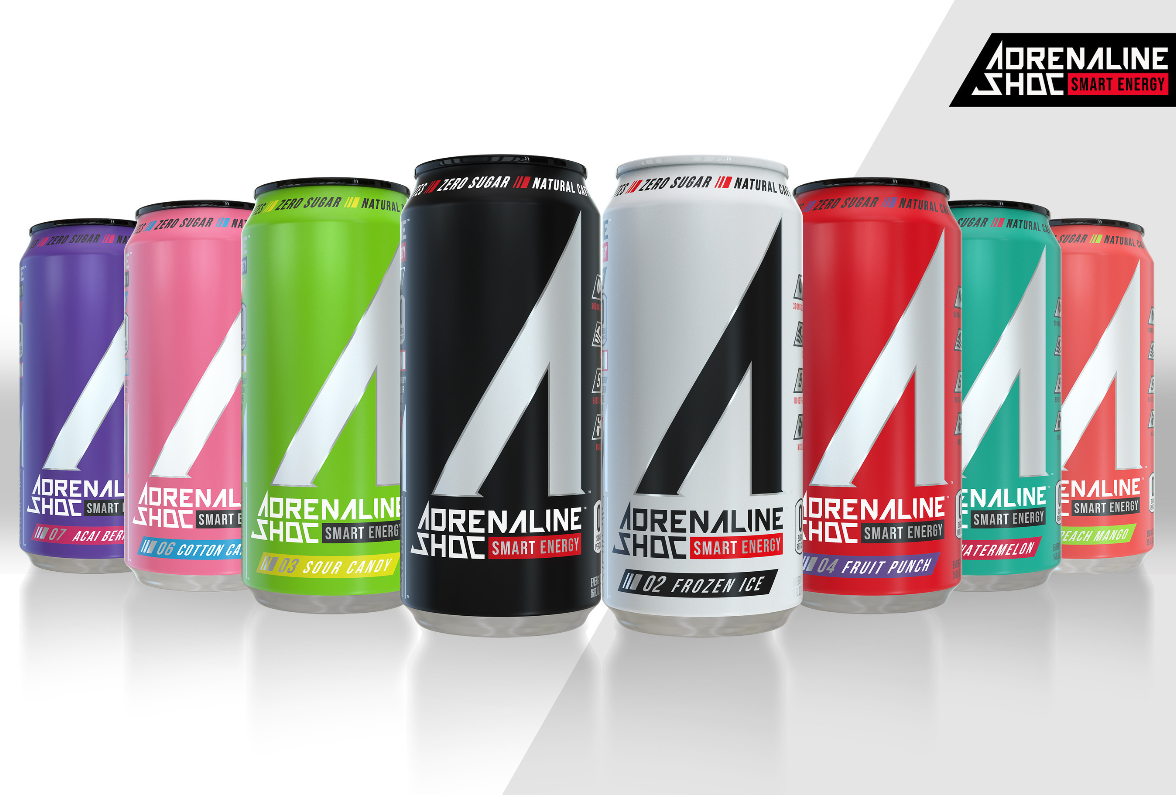
PepsiCo produced solid Q1 thanks to strong performance in snacks and in overseas markets, while N Amer bev biz generally held its own. Organic growth accelerated to 5%, highest in 3+ years, chmn/ceo Ramon Laguarta said on conference call this morning. And in give & take with analysts addressing 2 sources of recent weakness, he promised new innovations on Mtn Dew front this summer, as well as innovations “that hopefully will attack some spaces in the current sports category where we probably are weaker” as Gatorade comes under assault from Coke’s Body Armor brand.
Overall, PEP scored 2.6% net revenue gain to $12.88 bil while operating income soared 11.1% to $2.01 bil. PepsiCo Beverages North America saw net revs edge up 2.2% to $4.51 bil and operating profit flat at $389 mil. Earnings release was sparse on details, but 10-Q filing indicated PBNA suffered 2% volume decline, with 4% decline in CSDs only partly offset by 1% gain in noncarbs. Among noncarbs, bottled water scored high-single-digit volume increase, partly offset by high-single-digit decline in juices/juice drinks. That left it to higher pricing to drive the revenue gain.
Laguarta and cfo Hugh Johnston kept prepared remarks terse, in wake of presentation to analysts in Feb, but q&a elicited a bit of texture on N Amer bevs. Laguarta professed to feel “very good” about Pepsi trademark performance, thanks especially to minicans and no-sugar versions. He allowed that there’s “more work to do in Dew, and we will be investing more,” with unspecified brand innovations coming this summer. Ramon claimed improvement in Gatorade velocity, citing Gatorade Zero as “very incremental” and recipient of heavy investment (see below). When analyst pushed back, pointing to 3.6 pts of share loss in most recent scanner reporting period, Laguarta promised innovations to offset current vulnerabilities, without offering detail. Meanwhile, “Propel is doing very well and velocities are improving.” Of course, coffee has long been bright spot for Pepsi vs rivals KO and KDP, and Laguarta said Starbucks partnership remains strong. He said it’s unclear whether the many new brands entering coffee category will prove to have staying power.
PEP execs professed that recently taking ownership of Muscle Milk brand that they’ve long distributed should open multiple opportunities. For one, as Johnston pointed out, it will allow for better coordination with Gatorade shakes biz, allowing both brands to be more successful. With full ownership of value chain, Laguarta added, Pepsi can more effectively innovate to fill functional and lifestyle opportunities at both premium and value tiers, in protein category that generally has strong tailwind behind it. As reported yesterday, PEP just closed on acquisition of Muscle Milk parent CytoSport from Hormel for $465 mil.
As for innovation in general, Laguarta cited Life WTR’s 3d year of growth, continued acceleration in Bubly sparkling water, promising Game Fuel energy extension of Dew and Gatorade Zero. Asked about recently acquired SodaStream brand, Laguarta offered no specifics beyond saying that performance has “accelerated.”
As for energy segment that’s been cauldron of activity lately, Laguarta replied, “in energy we’re challengers,” essentially conceding PEP doesn’t have much game in segment but citing oppty “to innovate into spaces current players are not.” No mention of energy ally Rockstar, which has offered up such innovations as XDurance to play in Bang-dominated performance energy space but is said to be fuming about Dew Game Fuel extension as incursion into its contractual territory. So we got no insight as to whether Rockstar is viewed vehicle to up PEP’s game in still-growing, premium category or whether it has other vehicles in mind.
Riding Ad with Battling Couple Wade/Union, Gatorade Zero Builds Momentum; Winning Back Gatorade Sugar Exiles, Laguarta Reports Tho Gatorade has been under sustained attack by Body Armor, which recently entered Coke bottling system, PepsiCo can point to Gatorade Zero as one example of area where enhanced investment is reaping some gains. In recent weeks, brand seems to have been ubiquitous on sports programming, via ad featuring Miami Heat star Dwyane Wade and his wife Gabrielle Union, host of “America’s Got Talent,” trying to outdo each other on treadmill, jumping rope, doing box jumps and cycling. Execution is reminiscent to us of classic ad featuring battle between hoops icon Michael Jordan and soccer star Mia Hamm trying to outdo each other in basketball, soccer, fencing, jujitsu and other activities against song, “Anything you can do I can do better.” As Adweek recently noted, ad “marks one of the few times the brand has used someone who isn’t an athlete by profession in creative elements.” Gatorade Zero got comparatively quiet launch last summer in 3 flavors, offering “all the electrolytes, zero sugar” in contrast to 34 g of sugar in core Gatorade and 7 g of sugar in G2 extension, but lately has added 2 flavors and dialed up the media to deafening level of Missy Elliott’s “Pep Rally” heard on ad soundtrack as competitive couple work out. On this morning’s call, PEP ceo Laguarta said Zero represented concerted effort to go after consumers who’d abandoned Gatorade out of concerns over sugar levels. “From early reads it is performing as intended in terms of expanding the category, capturing new consumers and driving incrementality for the brand,” he reported.
Monster Energy is among brands getting vindication for sticking with beleaguered golf legend Tiger Woods after he won Masters this past weekend, tho Nike is garnering most of the attention. As apparel and accessories outfitter, Nike garnered $22.5 mil in brand exposure, per Apex Marketing, while Monster got nearly $1 mil for having its green claw on his bag and Bridgestone $134K for being on his golf ball. Tiger’s win was enough to bring slight pop in MNST shares, at time stock has been under pressure as investors worry about new brand challengers and future of Coca-Cola relationship .